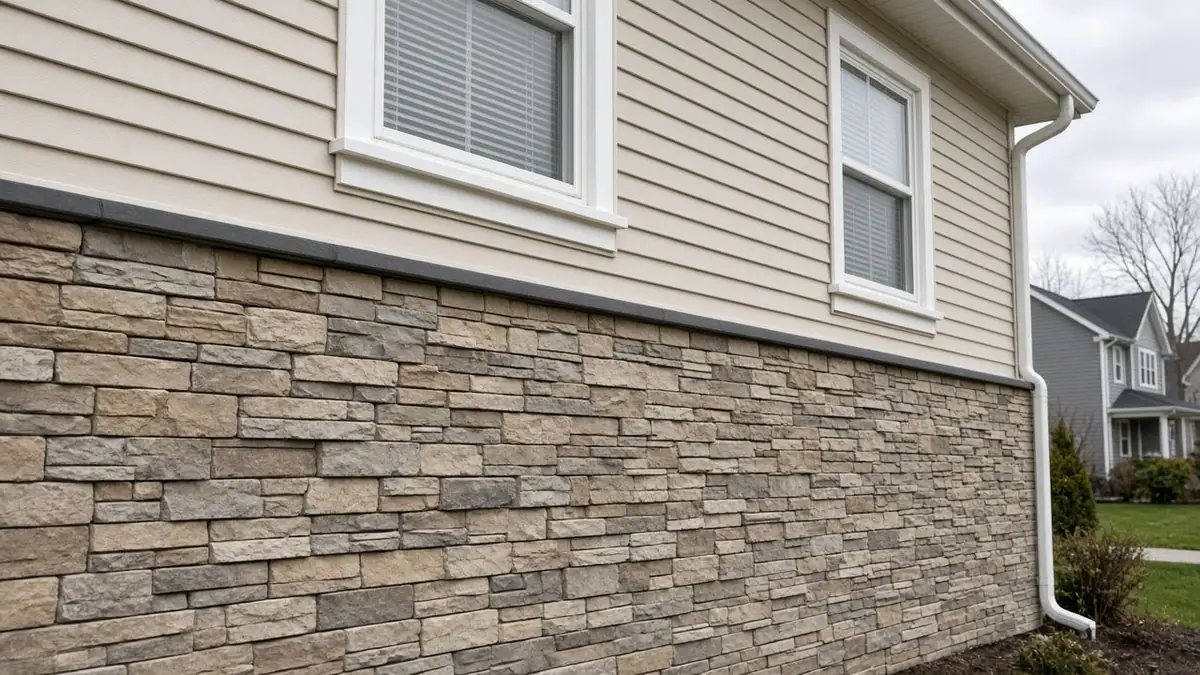
Stone and Brick Veneer
A stone or brick face over a block foundation, a chimney chase, an entry wall or a column. The part that matters is hidden: the barrier, the lath and the drained base detail behind the stone.
Syracuse and Onondaga County
Tell us the project: stone on a bare block foundation, a paver patio that heaves every spring, a fireplace for the yard or a brick wall that has gone white. Masonry Services Syracuse gets the work scoped and priced, and connects you with a local masonry contractor who takes it on. Use the form or call (315) 640-3590.
By sending this you agree to the terms and privacy policy. Prefer to talk? Call (315) 640-3590.
The masonry falls under the contract you sign with your mason.
Pick the closest match. Each tile leads to the page for that kind of job.
Quick answers
The questions people raise first.
Still unsure? Call (315) 640-3590 or send the short form.
Spring, for a summer build. The median window at the closest published threshold to the 40 degree mortar line, a minimum of 36 degrees, runs about May 8 to October 5. Asking in winter or early spring leaves time to settle a start window inside it.
Yes, with protection. The industry specification calls for heated mixing water, covers or insulated blankets, and enclosures at lower temperatures. The key is that the protection is priced and planned, not skipped. Paver bases are different: frozen base stone should not be installed, and nothing should be placed over frozen ground.
Area, access, material, the ground under or behind the work, detail such as steps and corners, and the season. The contractor sets the price, and a written scope that names the base depth, the drainage and the barrier detail makes quotes comparable.
It can be, if the block is sound and the water path is built in: barrier, lath, flashing and a drained base, with clearance above the soil. Veneer covers a wall. It does not repair one, so a cracked or wet foundation needs a repair contractor first.
Pavers are laid on a flexible stone base, where a small amount of settling is typical. Poured concrete is a different job and a different trade, so talk to a concrete specialist if that is what you want. If you want the paver route, we can scope it.
It depends on your town. State open burning guidance covers campfires and small cooking fires, and towns, villages and cities may adopt stricter rules. The City of Syracuse sets its own rules for recreational fires. A built fireplace is a different matter: Clay and Cicero list fireplaces among work needing a permit. Check with your code office before you build.
Usually efflorescence, which is salt carried to the surface by water. On brickwork under a year old it usually fades as the wall dries. Efflorescence that appears later generally points to water getting in. Wash it off if you like, but fix the water first, and do not seal over it.
Wet ground under a thin or poorly packed base is the usual cause. A rebuild starts under the surface: dig out, pack a deeper stone base in layers and give water a way out. Ask what base depth is in the price.
You decide after you see a written scope. Ask the contractor to name the base depth, the drainage and the layers behind the stone. If the ground or the wall needs more, ask for that cost in writing before the work changes.
Nothing. Fill in the short form or call (315) 640-3590, and we will take it from there.
Four jobs
This site covers new decorative and outdoor masonry, plus the care of it afterward. Pick the one that sounds like your project.
A stone or brick face over a block foundation, a chimney chase, an entry wall or a column. The part that matters is hidden: the barrier, the lath and the drained base detail behind the stone.
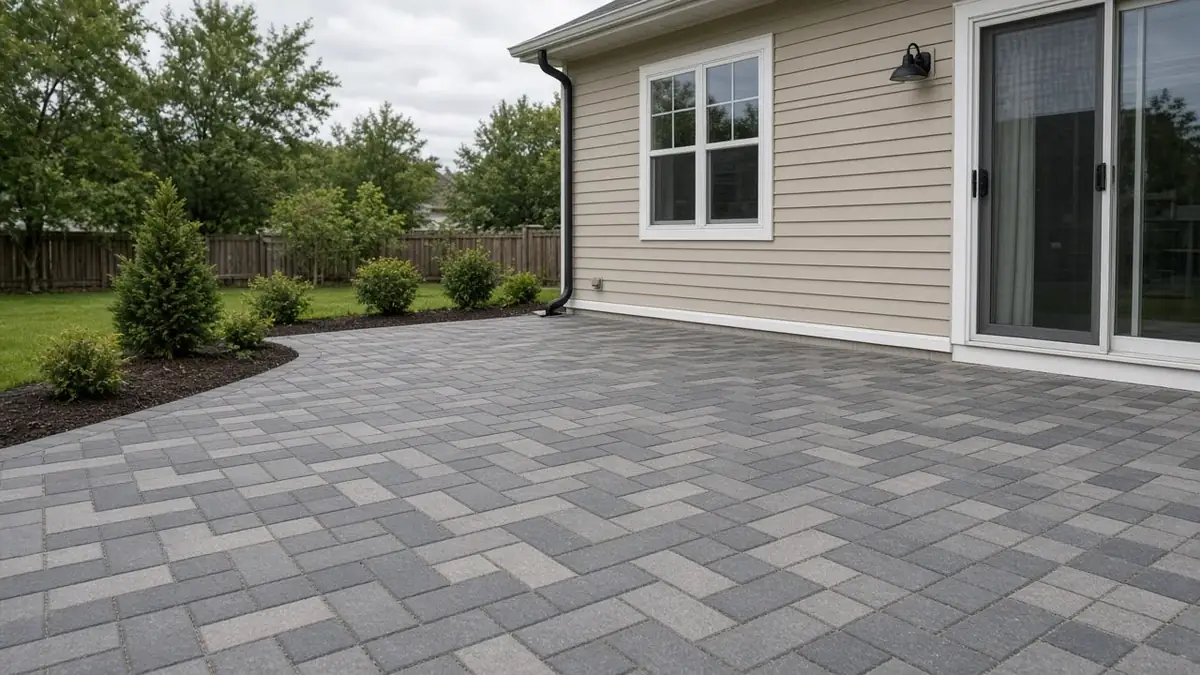
A patio, a front walk or a landing on a packed stone base that sheds water. Wet or weak ground in a cold climate needs a thicker base. That choice helps decide whether the surface stays flat.
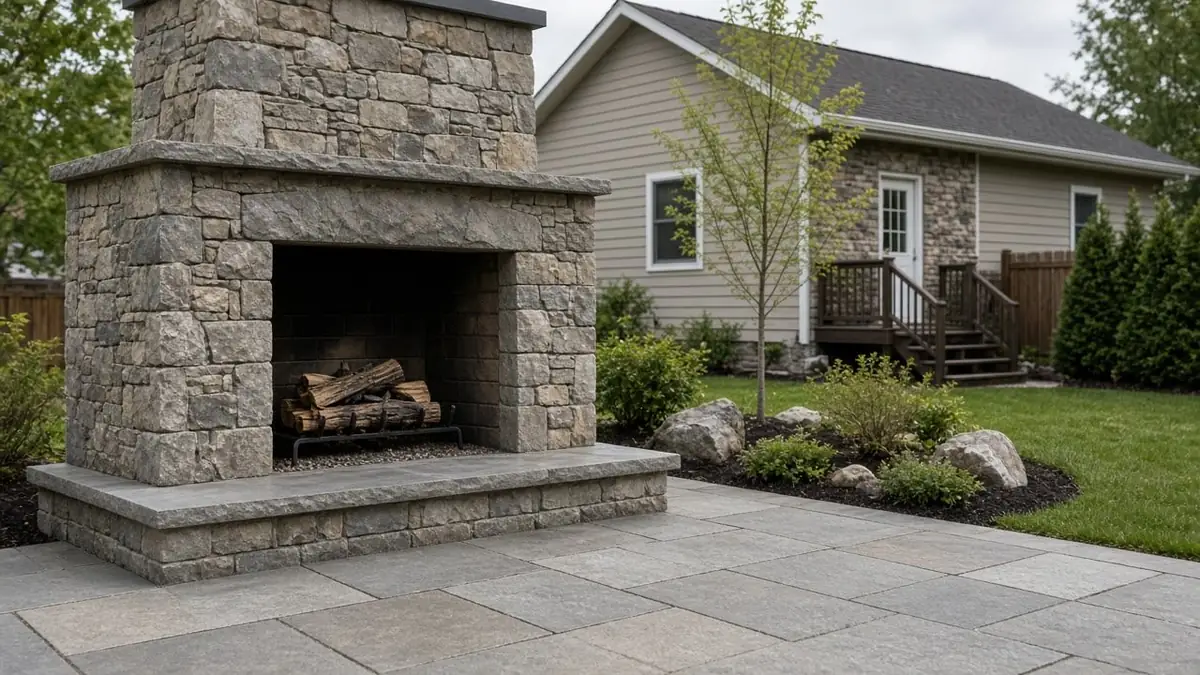
A masonry hearth for the yard. It sits on a footing that must meet local frost rules, and fire and permit rules change from town to town.
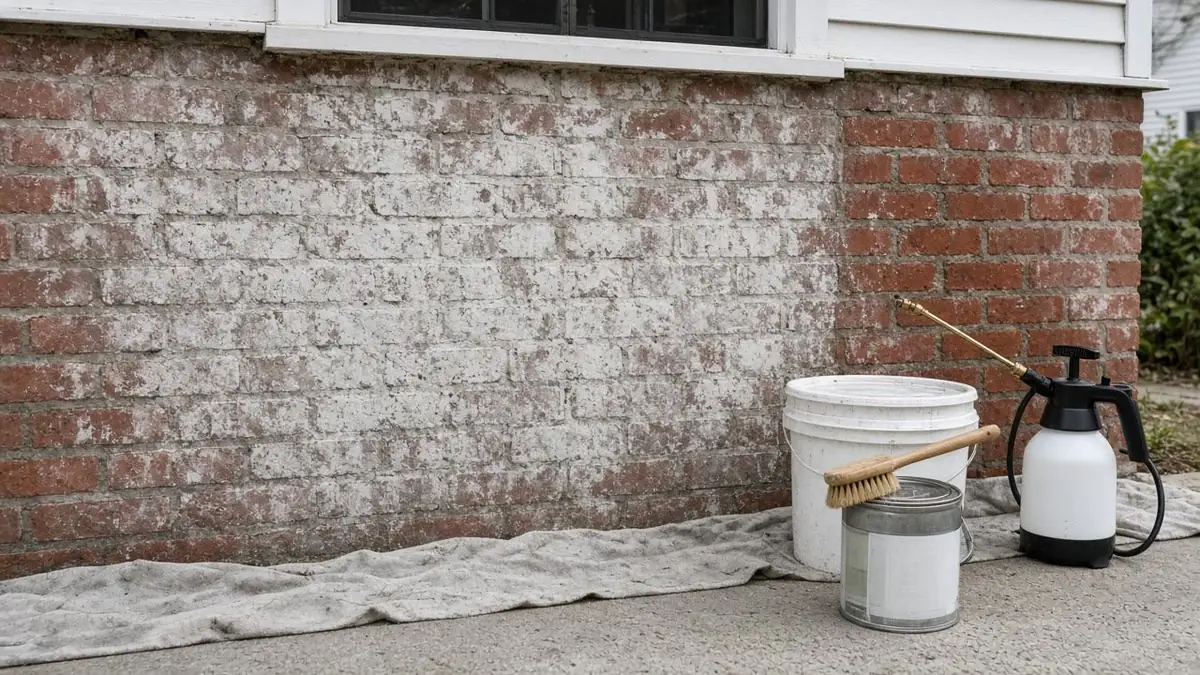
A diagnosis first. White salts on brick or pavers can be harmless new bloom or a sign of a water problem, and a sealer on the wrong one makes it worse.
A finished wall or patio looks the same on handover day whether it was built well or badly. The difference shows up in year three.
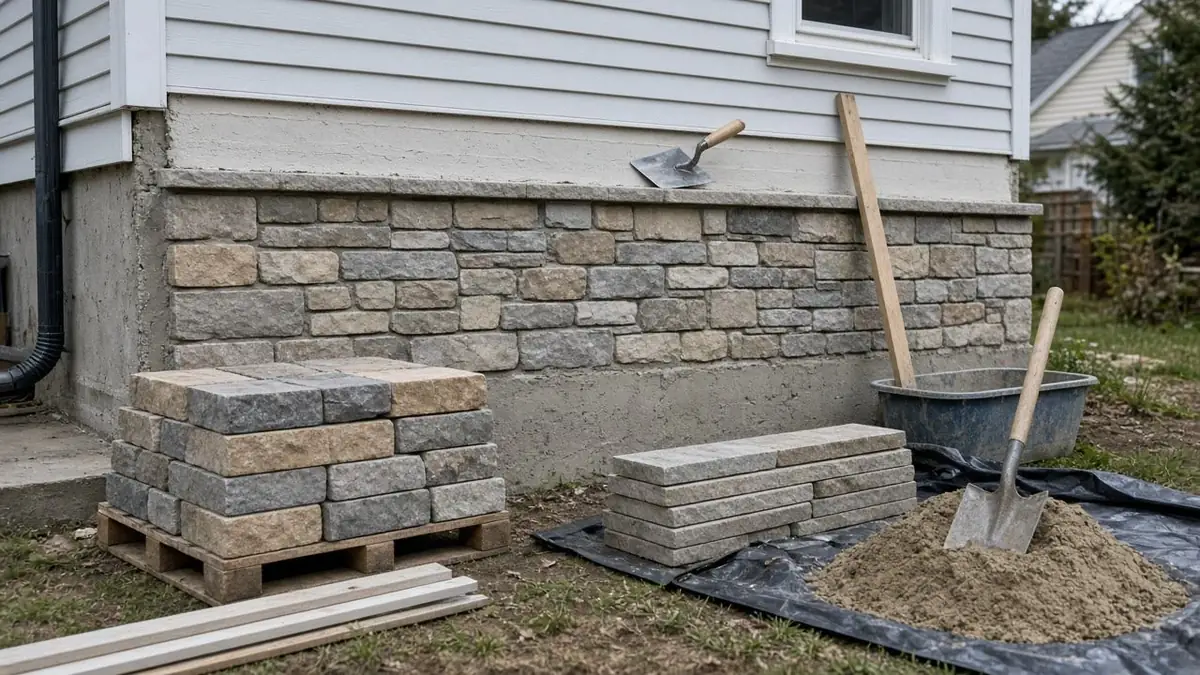
On a veneer wall, the stone is a rain screen. Water still gets behind it. What keeps that water from rotting the wall is the water-resistive barrier, the flashing and a screed at the base that lets it drain out. For adhered veneer on stud walls, New York's residential code asks for a corrosion-resistant screed or flashing that extends at least an inch below the foundation plate line, with the barrier lapped over its flange so water runs out, not in.
Forensic engineers who study failed veneer say the damage can take months or years to appear inside the house. By then the wall has been paid for and the stone looks fine.
A paver surface is only as flat as the base under it. The paver base specification calls for at least four inches of compacted stone over well-drained soil, and at least two to four inches more where soil is continually wet or weak in a colder climate. Much of Cicero and Clay is mapped as poorly drained, so a thicker base is a fair question there.
Ask every contractor how deep the base is, how it was compacted and where the water goes.
Basis: New York State Residential Code 2020, Vertex Engineering Services
Most homeowners start with the question of price. The better first question is when the work will be done.
Mortar and grout gain strength through a chemical reaction with water. According to the Brick Industry Association, that reaction needs material temperatures of 40 degrees Fahrenheit or higher to finish. Cold-weather masonry procedures are built around that line, not around freezing, and incomplete curing can leave soft, crumbly mortar.
Syracuse does not give much room above that line. At the closest published threshold, a minimum of 36 degrees, the median window runs 149 days, from May 8 to October 5. That is roughly five months. The median freeze-free season is longer, 173 days, but its extra three and a half weeks are not a safe bet for fresh mortar.
October is the turn. It brings nearly 13 nights below 40 degrees in a normal year, and it is also the wettest month of the year. A job set for late October is a different job than one set for June.
Work can still be done in the cold. The specification says how: heated water, blankets and enclosures. The honest question is whether that protection is in your price, or whether the cheap number simply left it out.
If you want the work done before winter, ask now for a start window. Then ask whether protection is in the price.
Basis: Brick Industry Association, NOAA NCEI
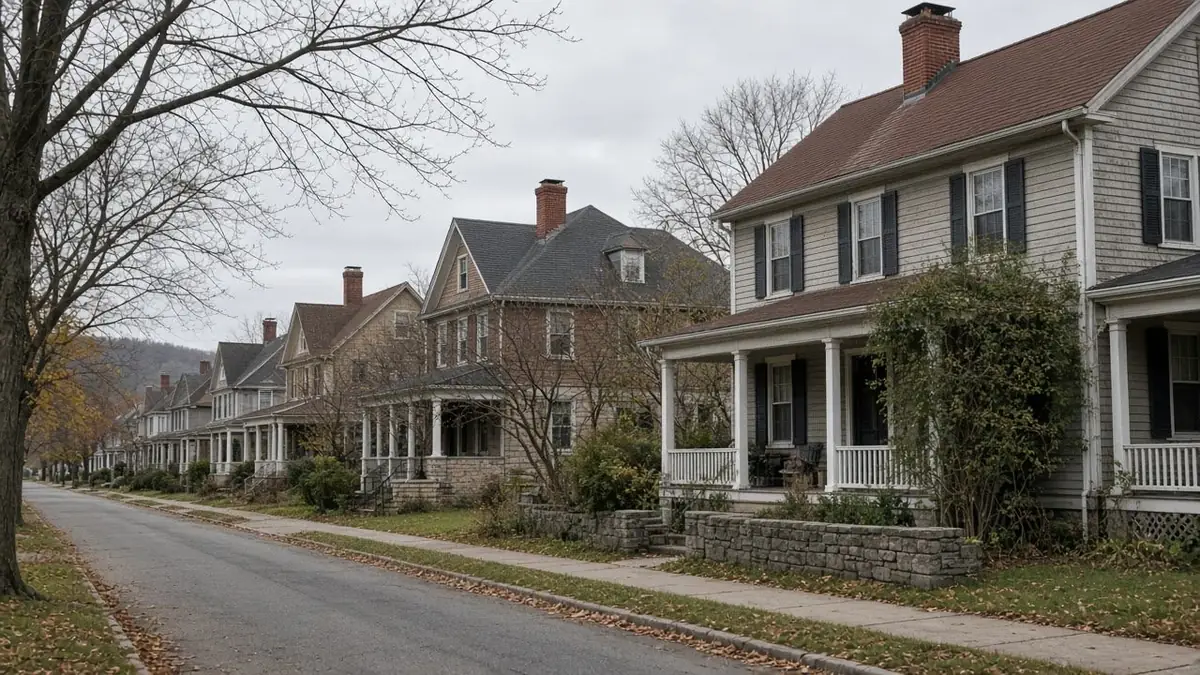
We do not set prices. The contractor does, and these are the questions behind their numbers.
Two quotes that differ by thousands often differ in the unseen half, not the visible one. Our guide on reading three masonry quotes walks through how to tell.
Ask each contractor to put the base depth or the wall layers in writing. If soft ground or a bad wall adds work later, ask for that cost in writing before it starts.
Book here and we credit $100 on your first job.
The masonry falls under the contract you sign with your mason.
Masonry Services Syracuse(315) 640-3590. Read the full wording
Mortar needs material temperatures of 40 degrees Fahrenheit or more to cure fully, and protection for new work costs money. A late quote that skips it is cheap for a reason.
Basis: Brick Industry Association, NOAA NCEI
Pavers sit on compacted stone, and in a cold climate wet or weak ground calls for a thicker base. Where a yard stays wet, ask whether a drain belongs in the plan. A quote that names only the surface says little about how long the patio stays flat.
On a veneer wall the stone is not what stops water. The barrier, the flashing and the drained base detail do, and you cannot see them once the stone is on.
How it works
The path is short, and you stay in charge of it.
Use the form or call (315) 640-3590. Pick the project and the timing on the form, and the details come up on the call.
We ask the few questions that move the price: soil, access, season and what is there now.
If the job fits, we introduce a masonry contractor who works in your town. You compare the plan and the price, and decide.
A different job
This site is for new decorative and outdoor masonry and its care. Repointing worn mortar joints, rebuilding a chimney, replacing a steel lintel and fixing a leaning retaining wall are repair jobs, and poured concrete driveways, steps and slabs are another trade. That is a different job, and a repair contractor or a concrete specialist is the right call.
If you are not sure which side your project falls on, call (315) 640-3590 and describe it. A quick conversation is better than the wrong contractor.
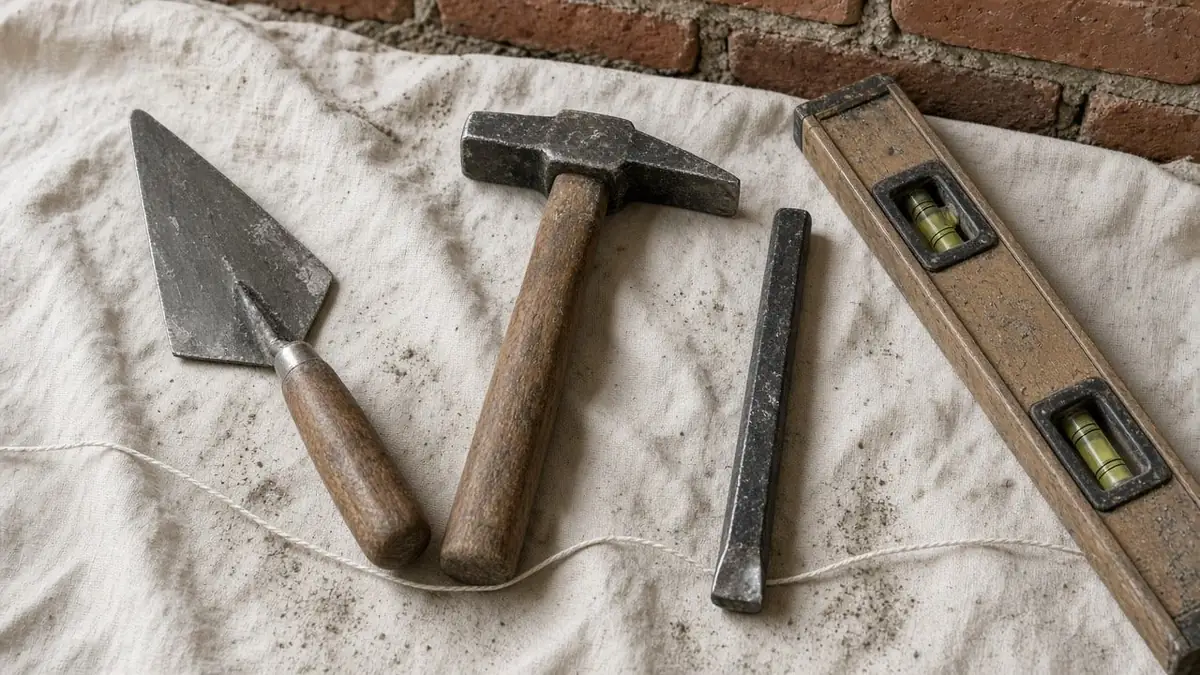
Choose your town to see how masonry work differs there.
Short reads on timing, hidden layers and quotes.
Send one short form or call. Nothing is booked until you say so.